The Science of South Indian Cooking: Fermentation, Spices & Perfect Flavour Balance
South Indian cuisine isn't just delicious — it's one of the most scientifically intelligent culinary systems in the world. Every dosa, idli, biryani, or curry you enjoy at Chennora is built on techniques rooted in chemistry, biology, and sensory science. This blog explores the science behind flavour: fermentation, spices, seasonings, aromatics, heat balance, texture creation, and how these come together in perfect harmony.
1. Fermentation: The Secret Behind Dosa & Idli
South Indian cuisine's identity begins with fermentation.
Why ferment food? Fermentation naturally:
- creates probiotics
- improves gut health
- increases nutrient absorption
- enhances flavour
- makes food more digestible
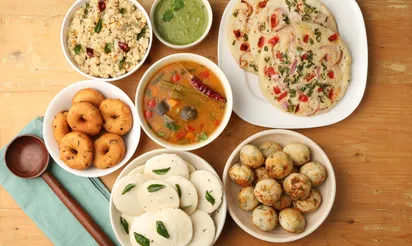
Dosa and idli batter ferments for 12–24 hours. This transforms rice + lentils into a light, airy, gut-friendly base.
When cooked, these fermented batters create:
- crispy dosas
- fluffy idlis
- soft uttapams
It's science meeting tradition.
2. The Tempering Technique (Tadka): Aroma Chemistry
Tempering (tadka) is when spices are heated in hot oil or ghee to release essential oils. This process triggers:
- flavour molecule activation
- aroma release
- deeper colour
- enhanced nutrient availability
Common spices used: mustard seeds, curry leaves, cumin, dried chilies, urad dal.
When they hit hot oil, flavours explode and aroma fills the air.
This signature fragrance is what Chennora guests recognise instantly.
3. Spice Science: Heat, Aroma, Balance
Spices in South Indian cooking don't just add heat — they create functional flavour.
- Tamarind → acidity for balance
- Coconut → natural sweetness, cooling effect
- Curry leaves → essential oils with medicinal benefit
- Black pepper → heat + metabolism boost
- Turmeric → anti-inflammatory properties
- Asafoetida (hing) → digestion enhancement
Each spice has purpose. Each combination is intentional.
4. The Magic of Coconut
Coconut is used in chutney, curries, desserts, tempering, and garnishes.
Scientifically, coconut:
- adds healthy fats
- enhances absorption of fat-soluble spices
- balances the heat of chilies
- creates creamy textures without dairy
South Indian cuisine's reliance on coconut is both cultural and scientific.
5. Rice + Lentil System: A Complete Nutrition Model
Unlike wheat-based cuisines, South Indian food builds protein and energy with rice, lentils, and legumes.
Together, they create a complete amino acid profile, sustained energy release, and easier digestion.
Dosa, idli, pongal, sambar — all share this powerful nutrition system.
6. Heat Balance: How Spice Levels Are Managed
Contrary to myth, South Indian cuisine isn't just "spicy". It's strategic. Heat is balanced through coconut, yogurt, ghee, jaggery, tamarind, lentils, and rice.
This layering ensures each bite is fiery, tangy, sweet, creamy and aromatic — all at once.
7. Why South Indian Food Feels "Comforting"
Scientifically, comfort food triggers serotonin (mood boost), warmth, softness, and nostalgia across cultures.
South Indian dishes — sambar, rasam, pongal, dosa — are designed with warm spices, soft textures, and soothing aromas.
This makes them universally comforting, even for first-time diners.
Conclusion
The magic of South Indian cooking isn't accidental - it's scientific mastery. Fermentation, tempering, spice chemistry, rice-lentil balance and aromatics combine to create a cuisine that is nutritious, flavour-rich and emotionally satisfying.
At Chennora, every dosa, biryani, curry and chutney follows this timeless science - delivered with modern presentation and flavour precision.
Visit Us At: Unit 66, 11665 McVean Dr, Brampton
Call Us: +1(647) 856-2878
Order Online: www.chennora.com
Enjoy your favorite South Indian dishes from the comfort of your home.